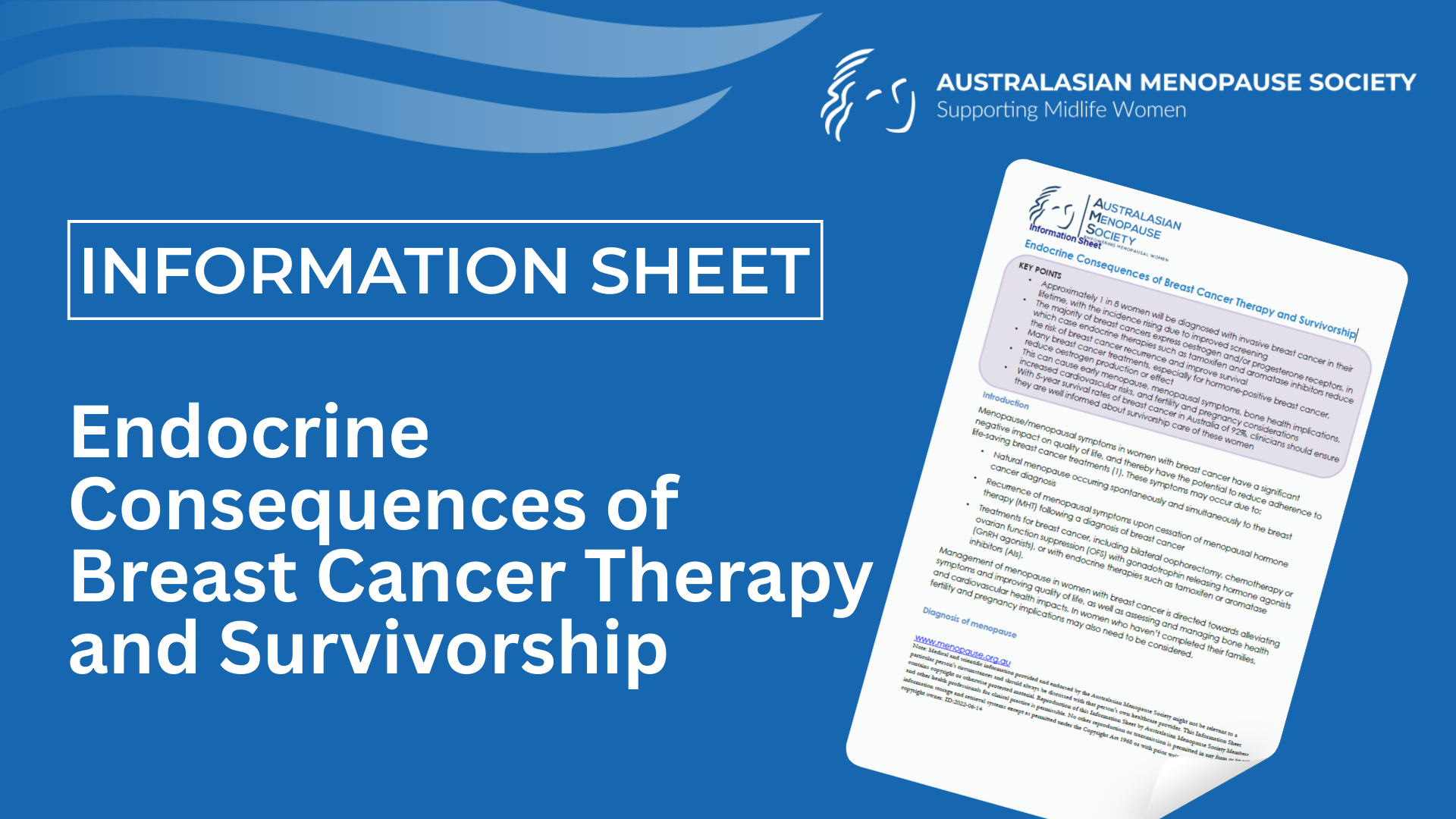
Endocrine Consequences of Breast Cancer Therapy and Survivorship
Access to this information sheet is reserved for members. Log in to view or Join Here for instant access to member-only resources.
Key Points
|
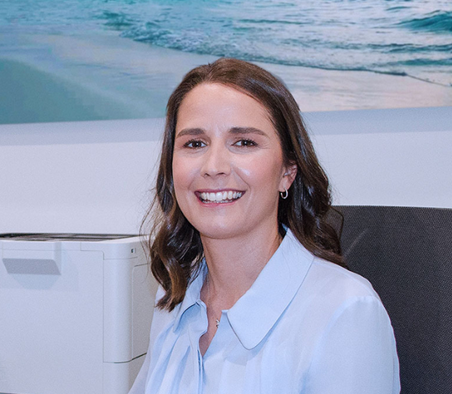
Dr Meg Henze is a highly regarded Perth endocrinologist who manages a wide range of diabetes and endocrine disorders. Meg is a Consultant Endocrinologist at Sir Charles Gairdner Hospital and treats private patients at her Nedlands clinic in addition to her regional clinics in Geraldton and Albany. She completed her Medical degree with Honours in 2009 from the University of Western Australia. Post-graduation, Meg had exposure in a broad range of specialties and completed a diploma in Obstetrics and Gynaecology in 2012. She commenced physician training and after successfully passing the basic training examinations of the Royal Australasian College of Physicians (RACP) in 2014, she progressed into advanced training in Endocrinology and was awarded Fellowship of the RACP in 2017. Meg’s advanced endocrine training was undertaken at Fiona Stanley Hospital, Sir Charles Gairdner Hospital and King Edward Memorial Hospital.
